


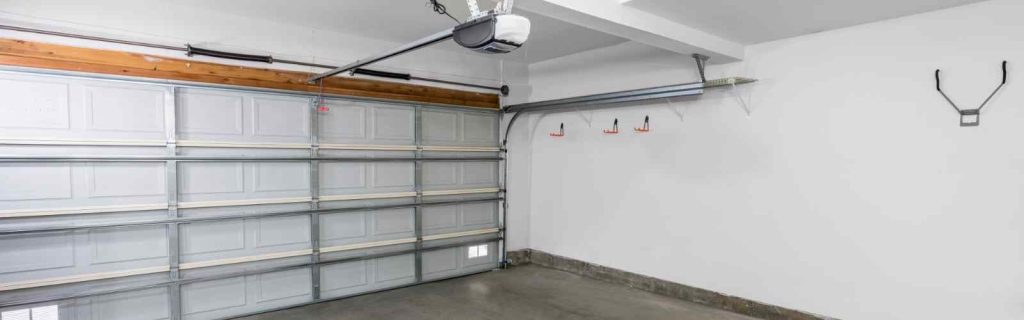
Garage door installation in Buford, GA, is often treated as a single event rather than a process that sets the foundation for years of daily use, mechanical stress, and ongoing upkeep. When a new residential garage door is installed, dozens of small decisions and measurements determine how smoothly the door operates, how long its components last, and how often it requires repair or maintenance. Overlooked details during installation rarely cause immediate failure, yet they often create conditions that surface later as alignment problems, premature wear, or unexpected service calls.
Many garage door installation oversights stem from focusing on the door itself rather than the system as a whole, which includes tracks, rollers, springs, hardware, and the surrounding structure. These overlooked factors often prompt homeowners to seek emergency garage door service or long-term maintenance sooner than expected. Understanding what is commonly missed during installation helps explain why early issues arise and how they could have been avoided with more thorough preparation.
Inadequate Evaluation of the Garage Opening and Structure
A successful garage door installation begins with a detailed evaluation of the opening and surrounding structure, yet this step is frequently rushed or simplified. The door must fit not only the visible opening but also the framing, ceiling height, and side clearances that guide its movement.
Small structural mismatches often remain hidden until the door is fully operational, at which point correcting them becomes more complex and costly.
See how the right choices during installation set the foundation for a smooth, dependable garage door system by reading: The Key Decisions That Determine a Successful Garage Door Installation.
Ignoring subtle framing irregularities
Garage openings are rarely perfectly square, even in newer homes, and small framing irregularities can affect how tracks align and how the door moves. When these variations go unaddressed, the system compensates unevenly.
Common framing-related oversights include:
- Uneven side jambs that shift track alignment
- Slightly sloped floors are affecting the bottom seal contact
- Headers that are not perfectly level across the opening
- Framing movement caused by settling or moisture changes
These conditions can force installers to make minor compromises that later manifest as resistance or uneven movement. Over time, those compromises often lead to accelerated wear and the need for adjustment or repair.
A thorough evaluation of framing enables installation decisions that accommodate these variations rather than work against them.
Learn which common installation mistakes often lead to future garage door repairs and ongoing issues by reading: Common Garage Door Installation Problems That Lead to Future Repairs.
Underestimating ceiling height and backroom requirements
Ceiling height and backroom clearance determine how tracks, springs, and openers are configured, yet these dimensions are sometimes estimated rather than measured precisely. Inadequate clearance limits proper track layout.
Clearance-related issues often involve:
- Insufficient space for proper spring placement
- Track angles that are steeper than recommended
- Openers installed too close to moving components
These constraints increase stress on rollers and tracks during operation. Over time, this stress contributes to noise and vibration and to the need for off-track garage door adjustment.
Understand when professional garage door installation has the greatest impact on safety, performance, and long-term reliability by reading: When Professional Garage Door Installation Makes the Biggest Difference.
Track Alignment That Is Technically Acceptable but Mechanically Suboptimal
Track alignment is often judged visually during installation, but an acceptable appearance does not always indicate optimal mechanical alignment. Even small deviations can influence long-term performance.
Tracks serve as the primary guide for the door, and their positioning affects every movement cycle.
Tracks installed without precise parallel alignment
Garage door tracks must remain parallel along their entire length to guide rollers evenly. When parallel alignment is slightly off, rollers experience uneven pressure.
Subtle alignment errors often include:
- Tracks narrowing or widening gradually along their run
- Vertical tracks are not plumb relative to the opening
- Horizontal tracks are not level or evenly supported
These conditions may not prevent initial operation, but they increase friction and concentrate wear on specific rollers. Over time, this uneven guidance raises the likelihood of track damage or derailment.
Precise alignment during installation reduces the need for future correction and extends component lifespan.
Insufficient track anchoring and reinforcement
Track brackets and fasteners hold the rails in position under load, yet anchoring strength is sometimes underestimated during installation. Light anchoring allows tracks to flex.
Common anchoring oversights include:
- Using fasteners that are too short or improperly rated
- Anchoring into weak framing instead of structural members
- Spacing brackets farther apart than recommended
These choices allow tracks to shift slightly during operation, which gradually alters alignment. That movement often explains why doors that initially operated smoothly later develop instability.
Roller Selection and Installation Decisions That Affect Longevity
Rollers play a critical role in smooth operation, yet they are often selected based on cost or convenience rather than performance requirements. The installation technique also influences how well the rollers guide the door.
Overlooking roller quality and fit creates long-term maintenance issues that surface gradually.
Choosing rollers without considering door weight and usage
Different residential garage doors place different demands on rollers, depending on size, weight, and frequency of use. Using underspecified rollers limits durability.
Common roller selection issues include:
- Lightweight rollers are used on heavy insulated doors
- Low-grade bearings installed in high-cycle applications
- Roller stems that do not match hinge specifications
These mismatches increase friction and wear, which often leads to noise and uneven movement. Over time, roller degradation contributes to track wear and alignment problems.
Selecting rollers based on actual door requirements improves reliability and reduces the risk of premature garage door repair.
Improper roller seating during installation
Rollers must sit correctly within the track channel to guide the door evenly. Improper seating during installation can introduce subtle instability.
Installation-related roller issues often include:
- Rollers are angled slightly within the track
- Rollers are binding due to track misalignment
- Roller stems are not fully secured in the hinges
These conditions create uneven guidance that may not be immediately obvious. As the door cycles repeatedly, these small issues compound into noticeable movement problems.
Overlooking Spring Balance and Tension Accuracy
Spring systems counterbalance the door’s weight, enabling controlled movement. Accurate spring selection and tensioning are critical during garage door installation.
Even small errors in the spring balance affect how forces are distributed across the system.

Springs selected without precise weight calculation
Garage doors vary widely in weight depending on materials, insulation, and size. Selecting springs without an exact weight measurement increases the risk of imbalance.
Common spring selection oversights include:
- Estimating door weight instead of measuring
- Using generic spring ratings for custom doors
- Ignoring added weight from windows or insulation
Improper spring selection forces rollers, tracks, and openers to absorb extra load. Over time, this imbalance contributes to wear and increases the likelihood of emergency garage off-track repair.
Accurate spring selection reduces stress across the entire system.
Inconsistent or rushed spring tensioning
Proper tensioning requires careful adjustment and testing, yet this step is sometimes rushed during installation. Inconsistent tension creates uneven lifting forces.
Tension-related issues often involve:
- One side lifts faster than the other
- Door drifting during manual operation
- Increased strain on opener components
These symptoms may appear mild initially but worsen with use. Balanced tension ensures predictable movement and reduces long-term maintenance needs.
Ignoring Long-Term Access for Maintenance and Repair
Garage door maintenance is inevitable, yet installation decisions sometimes make future service more difficult than necessary. Poor access increases service complexity and cost.
Thoughtful installation anticipates future inspection, adjustment, and repair needs.
Components installed without service clearance
Springs, tracks, and openers require adequate space for safe maintenance. When components are installed too close together, service access becomes limited.
Access-related oversights include:
- Springs mounted too close to ceilings or walls
- Tracks obstructed by storage or framing
- Openers positioned without maintenance clearance
Restricted access complicates routine garage door maintenance and increases the risk associated with future repairs. This limitation often leads to higher service costs and delayed maintenance.
Lack of consideration for wear inspection points
Certain areas of the system require periodic inspection, such as rollers, hinges, and cable paths. An installation that obscures these points reduces visibility.
Poor inspection access often results in:
- Delayed detection of wear or damage
- Minor issues are progressing unnoticed
- Increased reliance on emergency garage door service
Planning for inspection access during installation supports proactive maintenance rather than reactive repair.
Underestimating the Importance of Door Balance Testing
Balance testing verifies that the door moves smoothly without relying excessively on the opener. This step is sometimes skipped or rushed.
Balance affects every component, making thorough testing essential.
Insufficient manual balance testing
Manual testing reveals whether springs and tracks are working together correctly. Skipping this step hides imbalance issues.
Common testing oversights include:
- Failing to test the door at multiple heights
- Ignoring the slight drift during stopping
- Relying solely on opener-assisted movement
These omissions allow imbalance to persist undetected. Over time, imbalance accelerates wear and increases the likelihood of alignment problems.
Opener compensation masking installation errors
Openers can compensate for poor balance by applying additional force, which makes the initial operation appear normal. This compensation masks underlying issues.
Masked problems often include:
- Excessive strain on opener motors
- Gradual track movement under load
- Increased need for garage door repair
Relying on opener compensation during installation shifts wears from visible components to internal mechanisms.
Overlooking Environmental and Usage Factors
Environmental conditions and usage patterns influence how a garage door performs over time, yet they are not always considered during installation planning.
Ignoring these factors reduces the system’s ability to adapt to real-world conditions.
Environmental exposure affecting component durability
Temperature, humidity, and exposure to debris affect materials differently. An installation that ignores these factors shortens component lifespan.
Environmental considerations often missed include:
- Corrosion risk in humid or coastal areas
- Temperature extremes affecting metal expansion
- Dust accumulation influencing roller performance
Selecting appropriate materials and clearances improves resilience against environmental stress.
Usage frequency influencing component choice
Doors used multiple times daily experience higher wear than occasional-use doors. An installation that does not account for usage frequency limits durability.
High-use scenarios often require:
- Higher-grade rollers and bearings
- More robust springs rated for additional cycles
- Reinforced tracks and hardware
Aligning installation choices with actual usage reduces the need for early repair.
Trusted Garage Door Installation in Buford, GA
Many issues that prompt garage door repair, maintenance, or emergency service can be traced to details overlooked during initial installation. Structural evaluation, precise alignment, proper component selection, balanced tensioning, and future service access all influence how reliably a residential garage door performs over time. These factors rarely cause immediate failure, yet they shape the system’s long-term stability.
Elite Overhead Garage Doors delivers professional garage door installation, repair, and maintenance services tailored to the needs of homes and businesses in Buford, GA. Every garage door is essential to property security, functionality, and curb appeal. Solutions are designed for durability and reliable daily performance. Skilled workmanship and local expertise guide every service.
Contact us today or give us a call for trusted garage door services in Buford.