


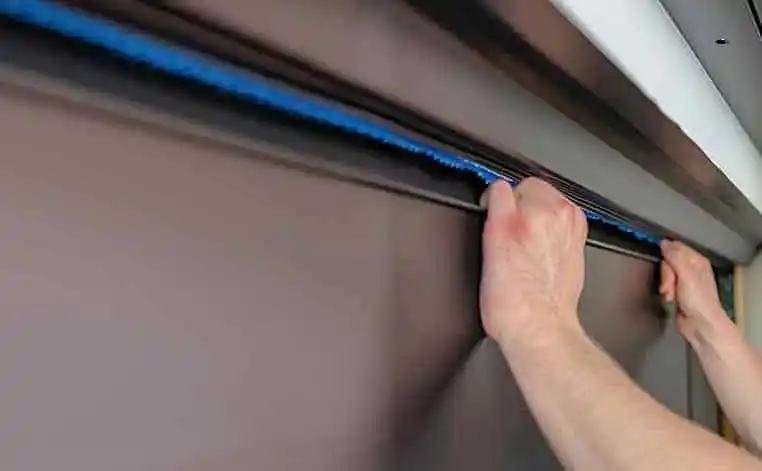
Garage door installation sets the mechanical foundation for how a door will operate, wear, and respond to daily use over many years. Even when a door appears to function correctly at first, small installation mistakes can quietly introduce stress into the system that only becomes noticeable after months or years of operation. These issues often surface later as unexpected garage door repair needs rather than immediate failures.
Aside from the lack of garage door maintenance, many future problems attributed to normal wear and tear can be traced back to decisions made during the initial installation. Track alignment, spring balance, hardware selection, and structural preparation all influence whether a residential garage door remains stable or gradually develops operational issues. Understanding these common installation issues helps explain why some doors require frequent maintenance while others operate reliably for decades.
Structural Preparation Errors That Compromise System Stability
A garage door system relies heavily on the structure supporting it, so installation problems often begin before mechanical components are mounted. Structural oversights rarely stop a door from working immediately, yet they create conditions that undermine long-term performance.
Subtle framing irregularities and clearance miscalculations force the system to compensate mechanically, which increases wear and instability over time.
Pay attention to the crucial details homeowners often miss during garage door installation and how those choices affect long-term results by reading: The Most Important Things Homeowners Overlook During Garage Door Installation.
Inaccurate assessment of the garage opening
Garage openings are often assumed to be square and level, even though minor variations are common in both new and older construction. When these variations are ignored, tracks and panels are installed under uneven conditions.
Common assessment errors include:
- Side jambs that vary in width from top to bottom
- Headers that slope slightly across the opening
- Floors that tilt toward the interior or exterior
These inconsistencies cause tracks to twist or lean, affecting how rollers engage during motion. Over time, the door experiences uneven resistance, leading to noise, vibration, and premature wear.
Structural inaccuracies that go uncorrected during installation tend to magnify with repeated door cycles, increasing the likelihood of alignment-related repairs.
Get to know the key decisions made during installation that directly influence performance, safety, and reliability by reading: The Key Decisions That Determine a Successful Garage Door Installation.
Overlooking ceiling height and backroom limitations
Ceiling height and backroom clearance determine how tracks and springs are positioned, yet these measurements are sometimes estimated rather than verified. Limited clearance often results in compromised layouts.
Frequent clearance-related mistakes include:
- Track angles steeper than the recommended specifications
- Springs positioned too close to ceilings or obstructions
- Openers mounted without sufficient clearance for movement
These constraints increase stress during door travel and shorten component lifespan. Over time, restricted layouts often contribute to operational issues that require garage door repair.
Find out when professional garage door installation has the greatest impact on preventing issues and ensuring dependable operation by reading: When Professional Garage Door Installation Makes the Biggest Difference.
Track Installation Mistakes That Cause Long-Term Alignment Problems
Tracks guide the door’s movement, making their installation one of the most critical steps in the process. Even small alignment errors introduce friction that compounds over thousands of cycles.
Visually acceptable tracks are not always mechanically optimal, which is why precision matters more than appearance.
Tracks installed without precise parallel alignment
Garage door tracks must remain parallel throughout their entire length to guide rollers evenly. Slight narrowing or widening introduces uneven pressure.
Alignment mistakes often include:
- Vertical tracks leaning inward or outward
- Inconsistent spacing between left and right tracks
- Horizontal tracks sloping unevenly
These issues increase roller friction and accelerate wear. Over time, uneven guidance often leads to noisy operation and frequent adjustment needs.
Parallel alignment errors rarely resolve on their own, making them a common source of future garage door maintenance.
Insufficient track anchoring and support
Track stability depends on rigid anchoring to structural framing. When anchoring is weak, tracks flex under load.
Anchoring problems typically involve:
- Fasteners too short for framing depth
- Brackets spaced farther apart than recommended
- Anchoring into non-structural materials
Track movement under load gradually alters alignment and stresses rollers. This phenomenon often explains why doors that initially operate smoothly later become unstable.
Roller and Hardware Choices That Accelerate Wear
Rollers and hardware are sometimes selected for cost rather than suitability, yet these components directly affect longevity and smooth operation.
Installation decisions in this area often determine how soon wear-related repairs become necessary.
Rollers selected without regard for door weight
Residential garage doors vary significantly in weight, especially when insulation or windows are involved. Rollers must match those demands.
Common roller selection problems include:
- Lightweight rollers used on heavy doors
- Bearings not rated for frequent cycles
- Improper stem length for hinge design
Underspecified rollers wear quickly and increase friction. Over time, this wear contributes to track damage and alignment issues.
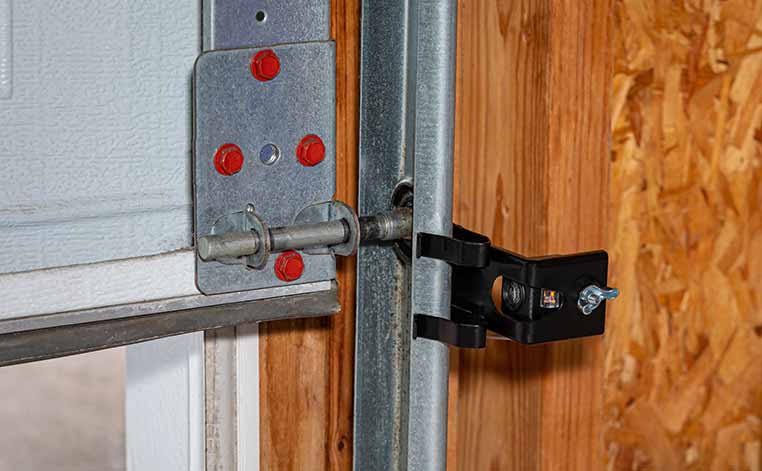
Hardware installed without long-term rigidity considerations
Brackets and fasteners maintain alignment under constant vibration, yet insufficient hardware allows gradual movement.
Hardware mistakes often include:
- Thin brackets that flex under load
- Fasteners not anchored into structural framing
- Inconsistent fastener spacing
Hardware movement introduces micro-shifts that compound over time. These shifts often explain why alignment issues recur despite adjustments.
Spring Selection and Balance Errors That Stress the System
Spring systems counterbalance the door’s weight, making precise selection and tensioning essential. Errors in this area affect every moving component.
Spring-related installation problems often remain hidden until wear accelerates elsewhere.
Springs chosen without accurate door weight measurement
Door weight depends on garage door size, materials, and added features, making estimates unreliable. Incorrect spring ratings create an imbalance.
Common errors include:
- Assuming standard weights for custom doors
- Ignoring added insulation or windows
- Using mismatched spring pairs
Improper spring selection forces tracks, rollers, and openers to absorb excess load. Over time, this imbalance increases the frequency of repairs.
Inconsistent spring tensioning during installation
Even correctly rated springs cause problems when tensioning is uneven. Small differences create asymmetrical lifting forces.
Tensioning mistakes often result in:
- Door drift during manual operation
- One side lifts faster than the other
- Increased strain on opener components
Uneven tension accelerates wear and increases the need for ongoing garage door maintenance.
Installation Decisions That Limit Future Maintenance Access
Garage door maintenance is inevitable, yet installation often fails to account for future service needs. Poor access increases complexity and cost.
Thoughtful installation anticipates inspection and adjustment requirements.
Restricted access to critical components
Springs, rollers, and tracks require clearance for inspection and service. Tight installations limit visibility and access.
Access-related problems include:
- Springs installed too close to the ceilings
- Tracks blocked by framing or storage areas
- Openers positioned without service clearance
Restricted access delays maintenance and increases the likelihood of emergency repairs.
Obstructed inspection points for wear detection
Certain components require routine visual checks, yet installation may hide these areas.
Key inspection points often affected include:
- Roller bearings
- Track joints
- Hinge pivot points
Hidden wear progresses unnoticed, increasing repair complexity later.
Proactive Garage Door Installation
Many future garage door repair issues originate from installation decisions that appeared minor at the time but created ongoing mechanical stress. Structural preparation, track alignment, component selection, and spring balance all influence whether a residential garage door operates smoothly or develops recurring problems. These issues rarely cause immediate failure, which makes them easy to overlook.
Elite Overhead Garage Doors specializes in comprehensive garage door services to ensure everyday reliability in Buford, GA. From new installations to responsive repairs and routine maintenance, every service is delivered with attention to quality and precision. Garage doors are treated as a key component of property protection and appearance. Experienced technicians ensure dependable results.
Contact us today or give us a call for professional garage door solutions in Buford.