


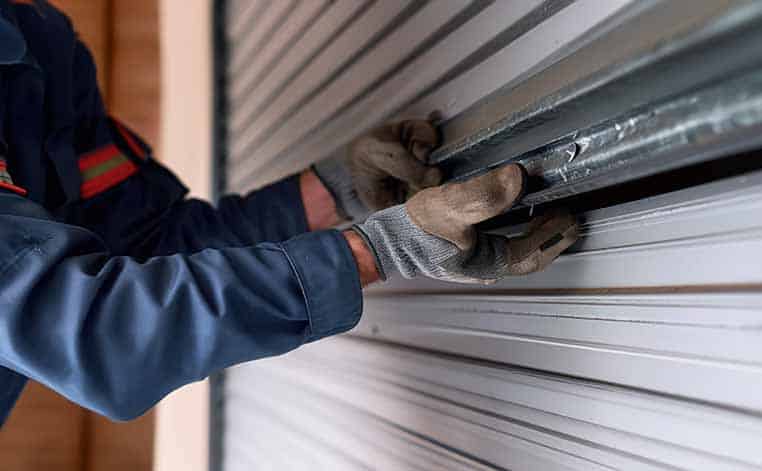
Homeowners rely on garage doors for daily access, safety, and consistent operation across changing conditions. Understanding when attention is truly required helps prevent avoidable issues while supporting long-term reliability. Garage door maintenance affects performance, safety response, and component lifespan in measurable ways.
Clear awareness of operational changes supports informed decisions without unnecessary effort or confusion. Usage frequency, environmental exposure, and system age shape maintenance timing. Recognizing meaningful signals helps homeowners respond before minor wear escalates into a functional disruption.
How Daily Use Patterns Signal Maintenance Timing
Garage doors experience gradual changes influenced by how often and how intensively systems operate. Daily opening cycles place stress on springs, rollers, hinges, and lifting mechanisms. High-frequency use shortens inspection intervals and increases the importance of visual observation. Consistent movement often reveals early indicators before performance failure. Homeowners who understand usage-related signals respond earlier and avoid unexpected interruptions.
- Increased cycle frequency compared to household norms
- Changes in movement speed during opening or closing
- Minor hesitations at mid-travel points
- Variations in sound during daily operation
Monitoring daily patterns supports practical planning and timely attention, a common priority for homeowners searching for garage door maintenance near me. Awareness of routine performance builds familiarity with regular operation. Early observation prevents overlooked wear. Consistent tracking improves long-term reliability.
For deeper insights, visit our blog, “How Often Should Garage Door Maintenance Be Scheduled?”
What Visual Wear Tells Homeowners About System Health
Visible wear offers clear insight into internal stress affecting garage door components. Hardware exposure, material fatigue, and alignment changes often appear before mechanical failure. Homeowners benefit from routine visual checks that detect developing issues and reduce the likelihood of needing residential garage door repairs.
- Frayed lift cables or uneven cable tension
- Loose or rusted hardware along tracks and hinges
- Misaligned rollers or bent track sections
- Worn weather seals or cracked bottom seals
Visual indicators provide accessible and reliable cues for action during a basic garage door inspection. Regular observation reduces guesswork. Small changes become easier to detect over time. Early recognition prevents compounded issues.
To explore deeper warning signs, check our article, “How Do You Know When Garage Door Maintenance Is Overdue?”
Why Sound and Movement Changes Matter Over Time
Gradual changes in noise or motion often indicate developing mechanical resistance. Friction, imbalance, or component wear commonly alter sound levels, which can precede urgent situations requiring emergency garage door repair.
- New grinding or scraping noises during movement
- Squeaking or clicking sounds near hinges or rollers
- Increased vibration felt through the door panel
- Uneven stopping or starting during travel
Audible and movement changes provide reliable early alerts. Familiarity with baseline sound helps differentiate normal variation from concern. Small changes often precede visible wear. Awareness supports timely maintenance decisions.
For a focused breakdown, visit our blog post, “What Happens If Garage Door Maintenance Is Skipped?”
How Seasonal Conditions Influence Maintenance Needs
Seasonal temperature shifts affect metal expansion, lubrication performance, and balance stability. Cold conditions stiffen components while heat increases material expansion. Humidity influences corrosion and track cleanliness. Seasonal transitions introduce predictable stress patterns. Understanding seasonal impact supports smarter timing decisions.
Temperature-Driven Component Expansion
Metal components naturally expand in warm conditions and contract during colder periods. Repeated expansion and contraction gradually affect alignment, spring tension, and fastener stability. Doors may begin to feel heavier or operate unevenly as tolerances shift. Awareness of temperature-driven changes helps identify early imbalance before performance declines.
Key impacts of temperature variation include:
- Altered spring tension affecting lift balance
- Track alignment shifts from metal movement
- Increased strain on openers during extreme cold
Monitoring door movement during seasonal transitions supports timely adjustments.
Moisture and Humidity Exposure
Humidity plays a major role in long-term wear, especially in coastal or high-moisture regions. Moist air accelerates corrosion on hinges, rollers, cables, and fasteners. Moisture also affects lubrication consistency, causing oils to thin, wash away, or attract debris. Regular seasonal inspections help prevent rust formation and maintain smooth operation.
Common moisture-related concerns include:
- Surface corrosion on exposed hardware
- Track contamination from dirt and residue buildup
- Reduced lubrication effectiveness
Early detection minimizes environmental damage before mechanical function is affected.
Seasonal Usage Variations
Garage door usage often increases during certain seasons due to lifestyle changes, weather patterns, or household routines. Higher cycle counts raise wear rates on springs, rollers, and opener components. Increased use amplifies the impact of existing alignment or lubrication issues. Adjusting inspection timing based on seasonal usage patterns supports consistent performance.
Usage-related considerations include:
- Increased wear during high-traffic periods
- Greater opener workload during extreme temperatures
- Faster fatigue of moving components
Aligning inspections with usage peaks improves reliability and reduces unexpected interruptions.
Seasonal awareness improves planning accuracy within routine garage door maintenance schedules. Homeowners reduce surprise issues through anticipation. Environmental factors become manageable variables. Proactive attention supports smoother year-round operation.
Why Safety System Behavior Should Never Be Ignored
Garage door safety systems rely on precise calibration and clear pathways. Sensors and auto-reverse features respond to resistance and alignment accuracy. Gradual shifts reduce sensitivity without obvious warning. Safety system changes often signal broader maintenance needs. Attention supports household protection and reliable operation.
- Delayed auto-reverse response during testing
- Intermittent sensor obstruction alerts
- Misaligned photo-eye sensors
- Inconsistent door reversal under resistance
Reliable safety performance protects people and property, reinforcing the value of regular garage door safety checks. Minor sensitivity changes indicate deeper system shifts. Routine observation preserves dependable operation. Awareness prevents unsafe conditions from developing.
How Balance and Tension Reveal Maintenance Timing
Proper balance allows garage doors to move smoothly with minimal strain. Spring tension supports controlled movement and load distribution. Imbalance increases stress on openers and hardware. Balance testing provides clear insight into system health and helps prevent the need for garage door spring repairs.
-
Manual Lift Balance Checks
A well-balanced door remains in place when lifted to a mid-open position without drifting upward or dropping downward. Doors that close or rise rapidly often indicate a spring-tension imbalance. Performing manual lift checks periodically helps identify subtle changes before movement becomes erratic. Consistent results over time confirm a stable balance, while sudden changes signal developing wear.
-
Spring Tension Stability
Garage door springs naturally lose strength over repeated cycles and exposure to the environment. Reduced tension increases the effort required to lift the door and alters closing control. Monitoring spring behavior supports timely adjustments before lifting effort becomes uneven. Stable tension protects connected hardware and maintains predictable operation.
-
Opener Strain Indicators
Openers compensate when the balance deteriorates, increasing workload during daily use. Audible changes, such as louder operation, delayed response, or uneven movement, often follow an imbalance. Extended strain accelerates motor wear and shortens opener lifespan. Early recognition of these indicators supports corrective action before component stress escalates.
Balancing awareness improves operational efficiency through preventive maintenance of garage doors. Even tension extends the component lifespan. Smooth movement reduces cumulative stress. Homeowners benefit from predictable performance. Even tension extends the component lifespan. Smooth movement reduces cumulative stress. Homeowners benefit from predictable performance.
What Track and Roller Conditions Reveal
Tracks and rollers guide consistent door movement. Dirt buildup, alignment shifts, and material wear disrupt smooth travel. These components experience constant friction exposure. Visual and functional checks often uncover issues affecting the garage remote control response, including increased resistance.
- Debris accumulation along track channels
- Flat spots or cracks on rollers
- Track gaps or misalignment at mounting points
- Uneven roller spacing during movement
Clean, aligned tracks reduce friction and often require targeted lubrication of the garage door. Early correction prevents movement disruption. Consistent guidance supports reliable performance.
How Usage Environment Shapes Maintenance Frequency
Environmental conditions influence wear rates and inspection needs. Coastal air, dust exposure, and shaded locations affect components differently. Door orientation and garage enclosure also matter. The usage environment introduces variables beyond cycle count. Awareness supports customized attention.
- Coastal or humid air accelerates corrosion.
- Dust or debris entering track systems
- Direct sunlight affects panel materials
- Enclosed versus detached garage exposure
Environmental awareness improves timing accuracy. Tailored observation reduces unnecessary effort. Homeowners adapt care to real conditions. Predictable performance follows informed attention.
When Professional Evaluation Becomes Necessary
Certain conditions extend beyond routine homeowner observation. Structural issues, spring fatigue, and inconsistencies in the safety system require trained evaluation. A professional assessment identifies risks that are not visible during basic checks. Timely evaluation prevents escalation. Knowing when to seek expertise protects system integrity.
Repeated Performance Irregularities
Recurring operational issues often indicate deeper mechanical problems rather than isolated incidents. Doors that repeatedly hesitate, reverse unexpectedly, or move unevenly suggest underlying wear or alignment concerns. A professional evaluation pinpoints root causes, such as track distortion, spring imbalance, or opener strain. Accurate diagnosis prevents continued stress on interconnected components.
Structural or Spring-Related Concerns
Garage door springs store significant tension and are critical to balanced movement. Visible gaps, deformation, or unusual noise during operation indicate potential spring fatigue or structural stress. Handling springs without proper training increases safety risk. Professional evaluation ensures correct tension assessment, secure mounting, and safe corrective action.
Safety System Inconsistencies
Safety sensors and auto-reverse mechanisms require precise alignment and calibration to function correctly. Intermittent sensor response or delayed reversal reduces protective reliability. Professional tools verify alignment accuracy, response timing, and system sensitivity. Consistent safety performance depends on expert evaluation and proper adjustment.
Professional assessment supports long-term reliability when guided by a structured garage door maintenance checklist. Complex systems benefit from trained insight. Early intervention prevents compounded damage. Homeowners gain confidence through informed decisions.
Stay Ahead of Garage Door Issues With Confident Planning
Understanding when to perform garage door maintenance helps homeowners avoid unexpected issues and safety risks. Paying attention to how often the door is used and how it operates makes changes easier to notice. Regular observation supports timely service and helps keep the system running smoothly. Planned maintenance helps reduce surprises and supports long-term reliability.
Elite Overhead Garage Doors brings focused experience and technical understanding to residential garage door care. We prioritize safe operation, balanced systems, and reliable performance across all components. Our team emphasizes preventive maintenance and clear communication to ensure homeowners understand their systems’ needs.
We approach every property with careful evaluation and long-term reliability in mind. Our goal is to support reliable garage door operation through informed maintenance practices. Contact us today or call us to discuss your garage door maintenance needs.
Frequently Asked Questions
How often should garage door components be reviewed for normal wear?
Regular observation helps homeowners notice gradual changes caused by daily use and environmental exposure. Movement consistency, operating noise, and door balance often indicate when attention is needed.
What signs suggest garage door maintenance has been delayed too long?
Delayed maintenance often shows up as uneven movement, increased noise, or slower response times. Visible wear on hardware, rollers, or tracks often accompanies these changes.
Can frequent daily use shorten the time between maintenance checks?
Yes, higher cycle counts place additional stress on springs, rollers, and hinges. Frequent operation accelerates wear and makes routine observation more important.
Why do garage doors feel heavier at certain times of the year?
Changes in temperature affect metal expansion and spring tension. Seasonal shifts can alter balance and increase resistance during opening and closing.
How can homeowners safely observe garage door balance?
Basic observation involves lifting the door partway and noting whether it remains steady. Doors that drift upward or drop downward often indicate tension changes that require attention.
What causes garage door sensors to respond inconsistently over time?
Dust accumulation, vibration, and minor alignment shifts can affect sensor accuracy. Reduced responsiveness typically develops gradually rather than suddenly. For nationally recognized safety guidance, visit The National Association of REALTORS® Garage Door Safety Tips for Homeowners.
Is occasional operational noise always a maintenance concern?
No, brief or minor sounds can occur during regular operation. Persistent, louder, or worsening noise typically signals friction, wear, or misalignment.
How does the surrounding environment affect garage door upkeep?
Humidity, dust, and prolonged sunlight exposure influence corrosion and material fatigue. Environmental conditions often determine how frequently inspections should occur and which components need closer attention. For homeowner-friendly guidance on garage door care and maintenance tasks, visit the International Door Association’s Care & Maintenance page.
Can visual checks help prevent unexpected garage door problems?
Yes, early visual checks can reveal loose hardware, track shifts, or surface wear. Identifying these changes early helps reduce the likelihood of sudden operational issues.
When should a professional evaluate a garage door system?
We recommend a professional evaluation when safety behavior changes or when irregular operations become consistent. Our technicians are trained to identify developing risks and internal system issues that extend beyond routine homeowner observation, helping protect long-term reliability and safe operation.